Corporate video production across multiple locations in Mexico
One company, several facilities, and a shared message. Producing consistent footage across Mexico takes more than booking a camera crew.
A manufacturing business may need executive interviews in Mexico City, production footage in Querétaro, and additional material from a facility in Monterrey. The people, spaces and schedules are different. The resulting content still needs to feel like one project.
For marketing and corporate communications teams based overseas, this involves more than choosing a production partner for each location. Someone needs to align the brief, coordinate access, keep the visual approach consistent and organize approvals across teams.
At Cavemen MX, we work from Mexico with companies and creative teams anywhere in the world. English-speaking members of our team can discuss the scope, coordinate production details and keep communication clear throughout the project.
A shared story does not require identical footage
Each location contributes something different. One facility may be the best place to show manufacturing capabilities; another may provide the people behind a new initiative. A regional office might need to explain the broader business context.
The challenge is deciding what should remain consistent. Interview framing, lighting, tone, brand graphics and capture specifications can be agreed before the first shoot. That gives each local crew a common reference without erasing what makes the individual location relevant.
This early work also helps determine whether the business needs one flagship film, a series of location-specific pieces or both. It is an important distinction when planning corporate video production and related services across several sites.
The production plan has to fit the business
A manufacturing plant is not an empty set. Operations, safety requirements, shift changes and restricted areas shape what can realistically be filmed. Offices, warehouses and distribution centers have their own constraints.
Before setting shoot dates, it helps to identify a contact at each location, confirm access requirements and determine which employees or executives will appear on camera. The production team also needs to know what can be shown, which processes are active and when filming would be least disruptive.
A shared schedule makes it easier to coordinate these details across cities. It also reduces the risk that a change in one facility forces the entire production to be redesigned.
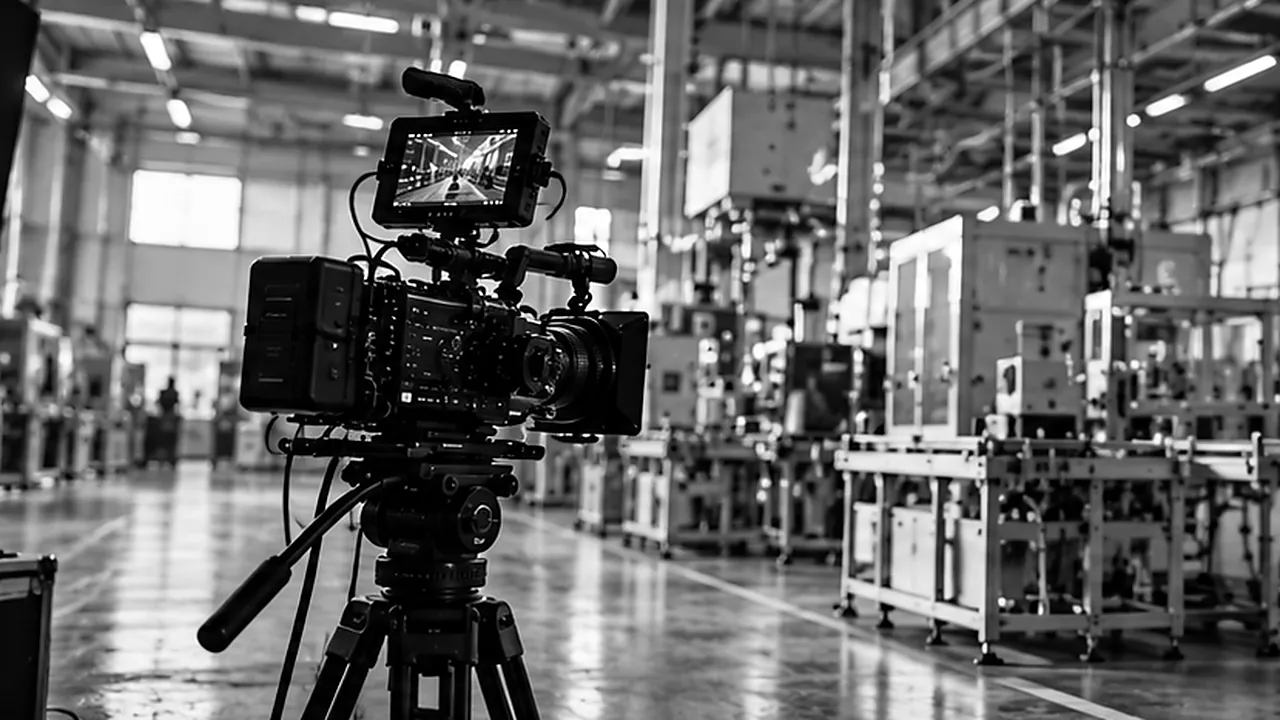
Filming in industrial facilities calls for preparation
Industrial footage has a different purpose from a general office tour. A shot might need to demonstrate a manufacturing process, show a product at a particular stage or establish the scale of an operation. Those choices are easier to make when the relevant technical teams are involved early. See also how industrial video supports B2B communication.
Site rules and confidentiality matter just as much. Camera positions, protective equipment, access permits and information visible on screens or documents may require approval before filming begins.
Rather than collecting hours of unrelated footage, a focused shot plan can show what a buyer, an employee or a corporate audience actually needs to understand. The goal is to capture material with a clear editorial purpose while respecting the site.
When the decision-makers are in another country
The person hosting a shoot in Mexico may not be the person signing off on the final video. Regional communications, global brand teams and external agencies can all be involved in the same production.
Establishing approval roles early is more effective than collecting conflicting comments after the first edit. One team may verify technical accuracy, another may review messaging, and a third may check brand requirements. Someone should consolidate those decisions before they reach post-production.
An agreed review process also makes it easier for an overseas team to remain involved without attending every shoot. We cover the foundations of this approach in our article on managing video production in Mexico from abroad. A multi-location project adds the need to keep every site aligned to the same production plan.
Capture once, plan for more than one use
An interview recorded for a corporate film may also support recruitment, internal communications or a customer presentation. Facility footage can have a useful life beyond the original edit, provided that permissions and usage requirements have been agreed.
Teams working across markets may need a main film, shorter cuts, subtitles, alternate aspect ratios and localized versions. Deciding on those deliverables early affects how interviews are framed, how supporting footage is captured and what is retained from the shoot.
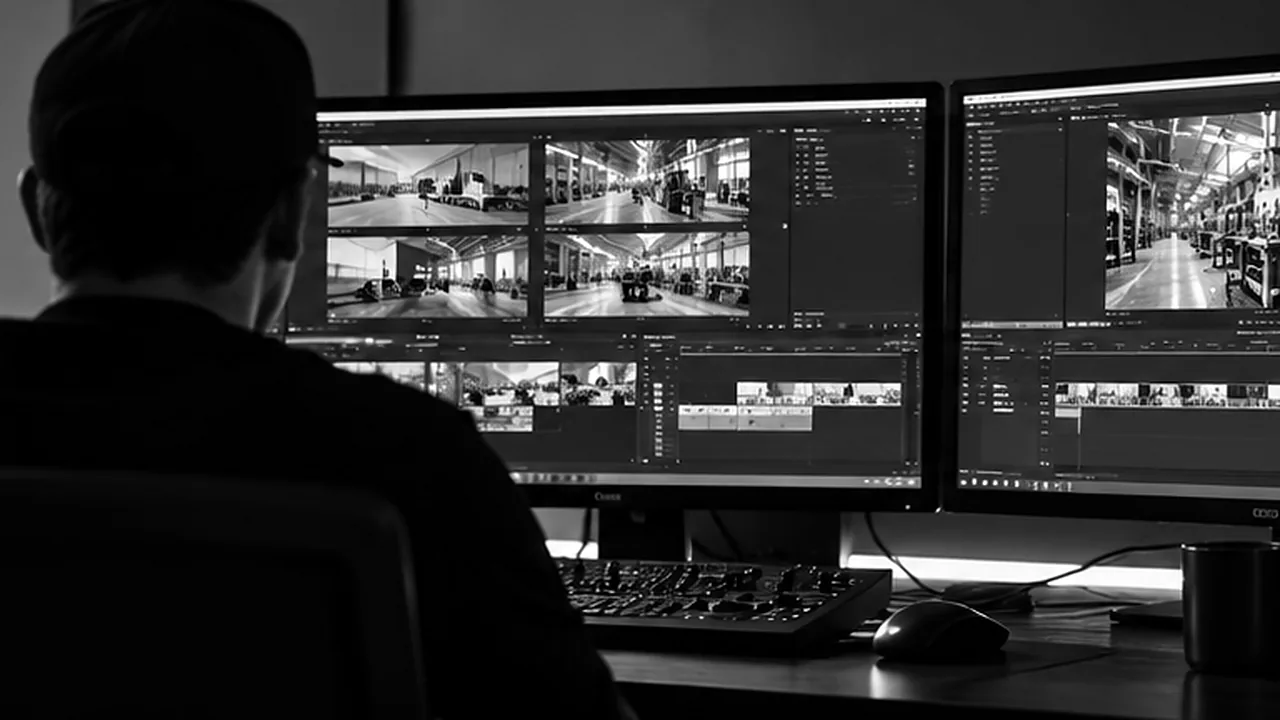
Consistency continues in post-production: color, sound, motion graphics, file organization and review versions all need a shared standard. This is what makes separate shoots usable as one coherent body of content.
When one of those locations involves a customer implementation, footage and interviews may also support a B2B customer case study video, provided the participants and evidence have been cleared for use.
The handover deserves the same attention. An international communications team may need selected footage for an edit managed elsewhere, while a local team needs finished files ready for an internal platform. Agreeing on file names, export settings, review stages and delivery responsibilities avoids confusion after the last camera is packed away. It also means the same footage can support future communications without the organization having to reconstruct how each recording was made.
What to share before requesting a production plan
You do not need a finished script to start planning a multi-location video project. A concise brief with five details is usually enough for a useful first discussion:
A practical multi-location production checklist
- Locations: the cities, number of facilities and types of sites involved.
- Audience and purpose: who will watch each piece and what they need to understand.
- Footage: interviews, processes, supporting shots and available participants at each site.
- Approvals: local permissions, brand guidelines and who signs off on the content.
- Deliverables: formats, languages, subtitles and required delivery dates.
These details help build a realistic schedule, determine crew requirements and plan post-production across locations. Based in Mexico, Cavemen MX works directly with international teams in English. If you already have an outline, share your project scope to start a focused production conversation.
Consistency starts long before the edit
A multi-location corporate production succeeds when local requirements and global expectations are managed together. Strong images are important, but so are clear responsibilities, reliable communication and deliverables that fit the brief.
From Mexico, Cavemen MX produces live-action video, 2D and 3D animation, post-production and audio for brands and businesses in different markets. We can collaborate with international teams on shoots in Mexico or on work managed remotely from the outset.
The point is not to make every facility look the same. It is to help the whole company speak with a recognizable voice.